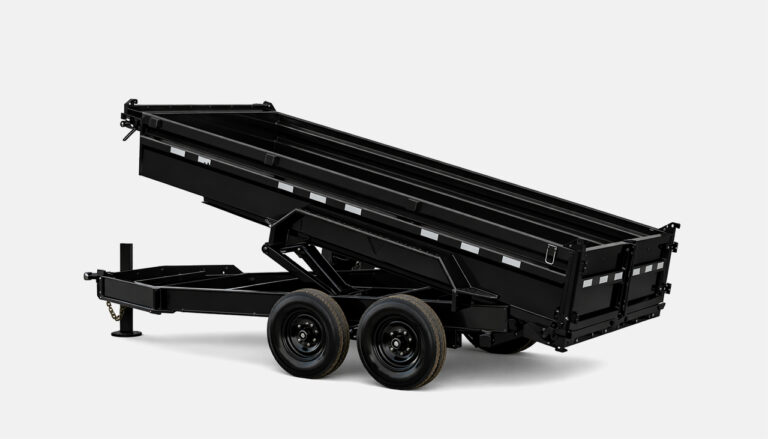
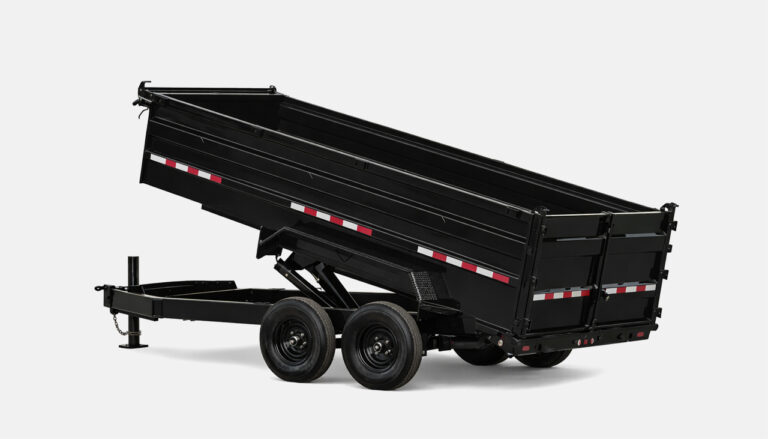
Heavy-duty trailers designed for hauling and unloading loose materials like dirt, gravel, and debris efficiently.
Dump Trailers
Heavy-duty trailers designed for hauling and unloading loose materials like dirt, gravel, and debris efficiently.
Dump trailers are built for heavy-duty hauling of loose materials such as dirt, gravel, construction debris, and landscaping waste. With hydraulic lift systems for fast unloading, they are ideal for job sites where efficiency, durability, and quick material removal are essential.
Typical Jobs
Home Renovation
Landscaping & Yard Work
Construction Jobs
Overview
Dump trailers are built for efficiency when working with bulk materials that need controlled, repeatable unloading. Their hydraulic lift system significantly reduces manual labor and speeds up cleanup, especially on jobs where time and volume matter. Instead of relying on hand tools or additional equipment, operators can unload directly at the drop point. This makes them particularly effective for workflows involving multiple loads per day, where minimizing downtime between cycles is critical to staying productive.
Best Suited For
Jobs requiring fast unloading without manual shoveling
Handling heavy, dense materials that need controlled dumping
Projects with frequent load-and-unload cycles in a single day
Not Ideal For
Transporting delicate or damage-sensitive items
Long-distance hauling where load containment is critical
Situations requiring protection from weather or debris
Dump trailers are designed for heavy materials, but proper load distribution is essential for safe transport. Avoid overloading beyond rated capacity, and ensure weight is evenly spread to prevent instability during towing.
Dumping & Operation
Always unload on stable, level ground before activating the hydraulic lift. Keep clear of the trailer bed during operation and ensure the area behind the trailer is free of obstacles before dumping.
Site Conditions
These trailers perform best on solid surfaces. Soft ground, steep inclines, or uneven terrain can affect both towing and dumping. Plan your unloading location in advance to avoid positioning issues on-site.
Not Sure Which Trailer You Need?
If you’re unsure which trailer type fits your job, we can help you choose the right option based on your load, timeline, and requirements.